
How to Get Stains Out of Granite Countertops (Without Wrecking the Stone)
Granite stains don't have to be permanent.
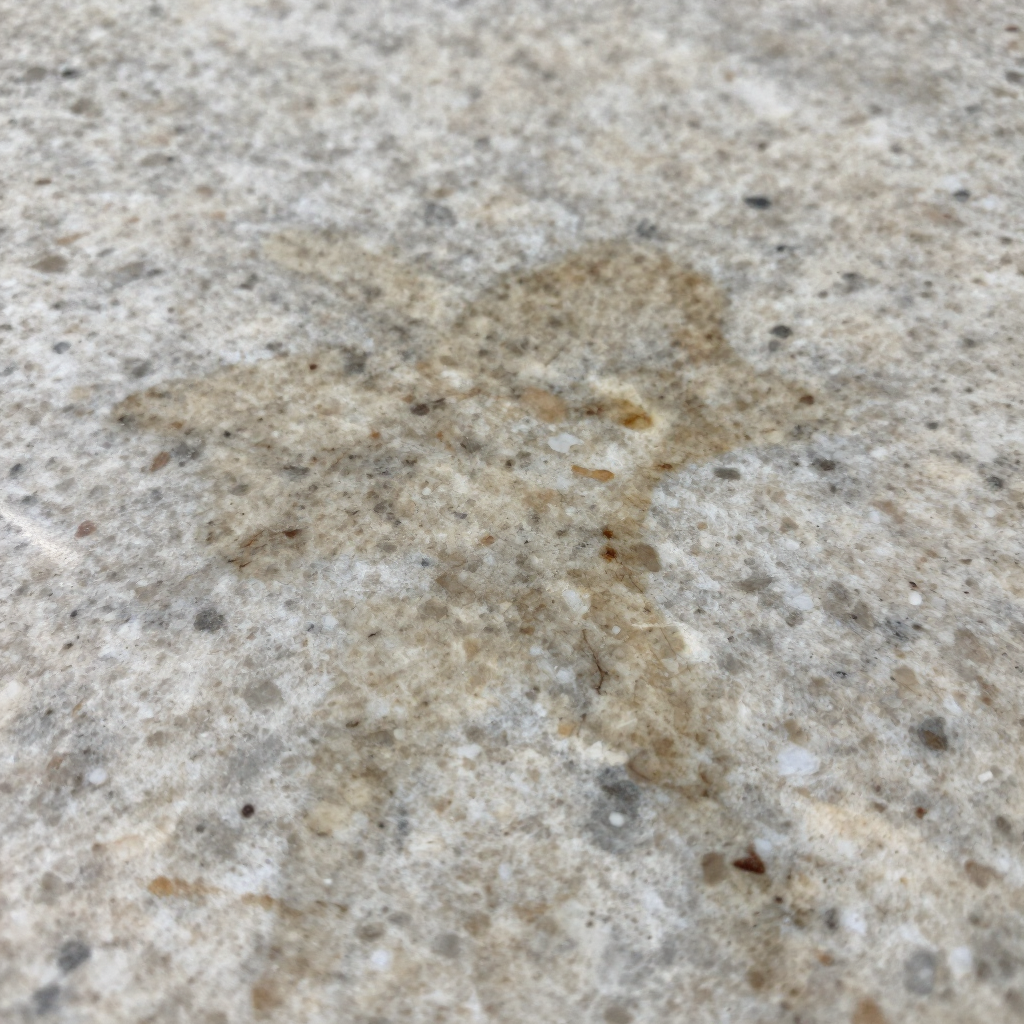
If you've got granite countertops, you already know how good they look. That depth, that natural variation, the way the light catches the fleck in a Black Pearl or the movement in a Santa Cecilia — there's nothing else like it in a kitchen. But granite isn't magic. It's a natural stone, it's porous, and if something spills and sits long enough, you're going to have a stain.
The good news? Most stains on granite are completely fixable — as long as you know what you're dealing with and what NOT to reach for under the sink.
I've been fabricating and installing granite countertops in the Buffalo area for over 15 years, and I've gotten a lot of calls from homeowners who panicked over a stain and made it worse trying to fix it fast. So let me walk you through exactly what to do.
First Things First: Identify the Stain
Not all stains are the same, and the fix depends on the type. Granite stains generally fall into a few categories:
Oil-based stains — cooking oil, grease, butter, lotions, even some soaps. These darken the stone and tend to have a greasy look around the edges.
Organic stains — coffee, tea, wine, fruit juice, food. Usually pink, brown, or reddish. These are some of the most common stains we hear about.
Rust stains — orange or brown, often from metal cans, cast iron pans left wet on the surface, or iron content in the water itself.
Water spots and mineral deposits — whitish or chalky buildup, usually from hard water sitting on the surface.
Ink or dye stains — markers, pen, food coloring, hair dye. These can be stubborn.
What NOT to Use on Granite
Before we get into fixes, let's get the dangerous stuff off the table, because this is where most people go wrong:
No bleach. It'll strip your sealer and etch the surface over time.
No vinegar or lemon juice. Acidic cleaners — including "natural" ones — will dull granite permanently.
No generic bathroom or tile cleaners. Most contain acids, ammonia, or harsh detergents.
No scrubbing pads or steel wool. You will scratch a polished finish.
Granite is tough, but it's not indestructible, and the wrong cleaner can cause damage that can't be buffed out without professional help.
How to Remove Common Granite Stains
Oil-Based Stains
The goal here is to draw the oil out of the stone, not push it deeper. Make a paste using baking soda and dish soap (just a few drops) mixed with just enough water to get a thick, peanut-butter consistency. Spread it over the stain, cover it with plastic wrap, tape down the edges, and let it sit for 24–48 hours. The paste draws the oil up as it dries. Wipe it away, rinse with warm water, and dry completely.
For deeper oil stains, use acetone (nail polish remover — make sure it's pure acetone, not a formula with additives) instead of water in your paste. Same process, same patience required.
Organic Stains — Coffee, Wine, Tea, Juice
A hydrogen peroxide paste works well here. Mix 12% hydrogen peroxide (available at beauty supply stores — drugstore 3% works but is slower) with baking soda to make a paste. Apply it thick, cover with plastic wrap, let it sit for 24 hours, then wipe and rinse. Repeat if needed. Hydrogen peroxide is a mild bleaching agent that lifts organic pigment without damaging the stone.
For light surface stains, a few drops of hydrogen peroxide directly on the spot with a clean white cloth, left for 10–15 minutes, can do the trick on its own.
Rust Stains
Rust is the trickiest one. You can find commercial granite rust removers specifically formulated to be stone-safe — brands like MB Stone Care make a good one. Avoid any rust remover that isn't explicitly labeled for natural stone, because many contain acids that will damage the surface.
Apply the product per the instructions, don't let it sit longer than directed, and rinse thoroughly. Deeply set rust stains may require professional help.
Hard Water Spots and Mineral Deposits
For white chalky buildup, use a granite-safe stone cleaner and a soft cloth. For stubborn buildup, a small amount of mineral spirits on a soft cloth can break it down. Dry the area completely afterward and reseal if the water is beading less than it should.
Do not use calcium/lime/rust removers unless they are specifically rated safe for natural stone — most are acidic.
Ink and Dye Stains
For dark-colored granites, acetone on a cotton ball works well. For lighter granites, hydrogen peroxide is safer (acetone can sometimes lighten lighter stones). Dab — don't scrub — and work from the outside of the stain inward so you don't spread it.
The Poultice Method (Your Secret Weapon)
If a stain is deep and none of the above are fully working, the professional-grade approach is a poultice. The concept is simple: combine a drawing agent (the liquid that breaks down the stain) with an absorbent material (the powder that pulls it out).
Here's the basic recipe:
Choose your liquid based on stain type (acetone for oil, hydrogen peroxide for organic, etc.)
Mix with an absorbent white powder — diatomaceous earth, kaolin clay, or even plain flour in a pinch
Spread a thick layer (about a quarter inch) over the stain, cover tightly with plastic wrap, and seal the edges with tape
Let it sit for 24–48 hours as the paste dries and draws the stain up
Scrape off gently with a plastic scraper, rinse, and dry
You may need to do this two or three times for a deep stain. Be patient. Trying to rush it usually means rubbing it in harder.
After the Stain is Gone: Seal It
If you successfully removed a stain — especially if you used any chemical treatment — your sealer may have been compromised in that area. Do the water bead test: sprinkle a few drops of water on the surface. If it beads up into little balls, your sealer is good. If it soaks in and darkens the stone, it's time to reseal.
Good granite sealer isn't expensive, and applying it is a 15-minute job. It's the single best thing you can do to protect your investment long-term. We recommend resealing once a year as a standard practice, or any time the stone starts absorbing water instead of repelling it.
When to Call a Pro
Some situations are beyond DIY:
Deep-set rust stains that have been there a long time
Etching (dull spots caused by acid damage) — these aren't stains, they're surface damage, and they require professional honing to fix
Large stained areas or multiple overlapping stains
Any situation where you're not sure what caused the stain
At Cabinet Supply Plus, we've seen just about every stain scenario in 15 years of working with stone in Western New York kitchens and baths. If you're not sure what you're dealing with, give us a call before you start experimenting — sometimes a quick conversation saves a lot of headache.
Vincenzo Marano is the CEO of Cabinet Supply Plus, serving the Buffalo and Western New York area with RTA cabinets, countertops, and everything you need to finish your kitchen right. Questions about your countertops? Contact us.